How Parents Teach Emotional Intelligence with Empathy
By Jean Tracy, MSS
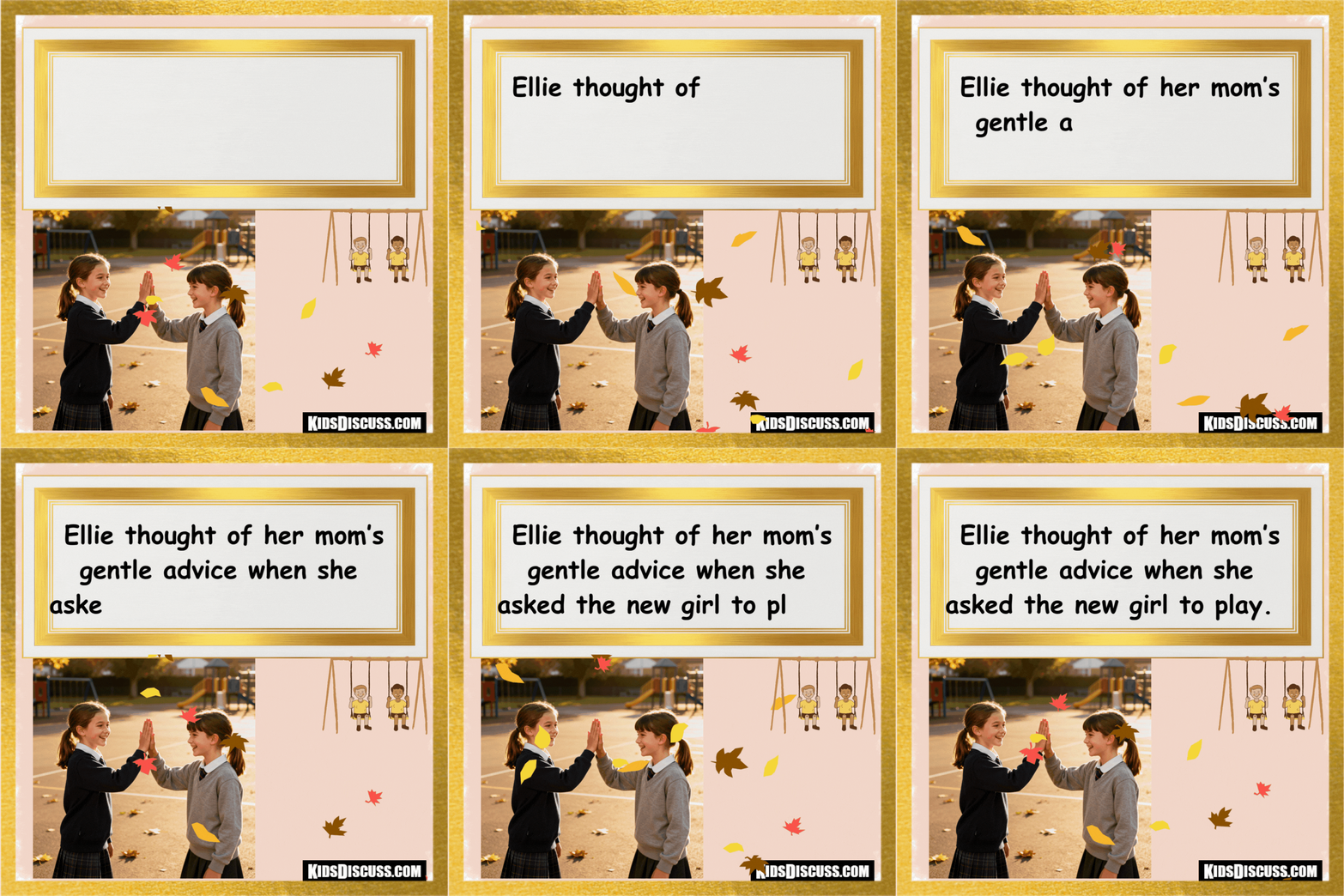
Ellie’s Story
On the playground during morning recess, nine-year-old Ellie paused mid-tag when she saw the new girl, Zoe, sitting alone on the slide. Ellie remembered what her mom said: "When someone looks alone, ask them to join", and decided to invite Zoe.
She ran over, smiled and asked,
Would you like to play tag with us?”
The other kids nodded, and Zoe’s face lit up with relief and excitement.
Soon she was skipping in rhythm, laughing with the others, and by the end of recess she’d shared a high-five with Ellie, and they whispered plans for a game after school.
Later that evening at home, Ellie told her mother how she’d asked Zoe to play — and her mother looked at her proudly and said,
That’s empathy in action: noticing how someone might feel and choosing to reach out.”
Ellie felt warm inside, knowing Zoe wasn’t alone anymore.
Suggestion for parents: Encourage your child to notice someone who looks new, quiet, or alone and say,
Would you like to play?
or
Would you like to join our group?
Teaching children that empathy isn’t just feeling someone’s loneliness—but taking a small step to include them—helps build kind friendships and stronger character.
3 Powerful Truths About Teaching Empathy
- Your empathy helps your child feel the power of kindness. Acknowledging your child’s empathy for classmates, says, "You made the child who struggled know they matter."
- Your stories offer encouragement. When you share a memory of your struggles and being helped by a fellow student, you show your child that these moments are meaningful.
- Your guidance plants the seed of inner strength. Modeling how to respond to another’s need, gives your child tools for their future opportunities to help someone.
Myth vs. Fact: Teaching Empathy and Emotional Growth
Myth: "If I ignore teaching ways to show empathy, they’ll learn it from being ignored by classmates." Fact: Discussing empathy encourages your child to practice it. Each gentle guidance becomes a steppingstone to kindness.
5 Ways to Encourage Your Child’s Kindness – Building Social Confidence
- Invite the story: Ask, “What are you proud of today?” and listen fully.
- Share a small memory: Briefly share a time you helped a classmate.
- Brainstorm together: “Who else might want to play?” or “What’s something you love doing that you could invite someone else to join?”
- Practice gentle self-talk: Role-play a phrase like, “Helping others is a good way to make friends.”
- Celebrate effort, not outcome: “I noticed you helped someone again today. You have a thoughtful heart.”
3 Powerful Truths About Your Parental Love and Emotional Intelligence
- Your encouragement becomes their inner voice. The words you use today echo in your child’s mind when they face challenges tomorrow.
- Your encouraging voice teaches emotional intelligence. When you smile and offer specific praise, they learn repeat those kindnesses to others.
- Your belief in their worth shapes their self-image. Repeating, “You are a good person,” helps your child see themselves through your caring eyes.
Tonight’s Conversation Starter: Talking About Friendship and Empathy
At bedtime or dinner, ask:
How were you kind to someone today?
Listen, then share your own memory. End with one small idea for tomorrow—maybe inviting a new friend or starting a new activity together.
Helping Kids Become Caring People
Today, you learned how sharing your own stories and listening with empathy can help your child. You discovered 5 different ways to encourage kindness. You learned three truths about why your response matters. Every story you share, every moment you listen, builds the inner emotional intelligence your child needs to thrive with one act of kindness every day.