Turn Kid’s Bragging into Friendships – Bridget’s Story
By Jean Tracy, MSS
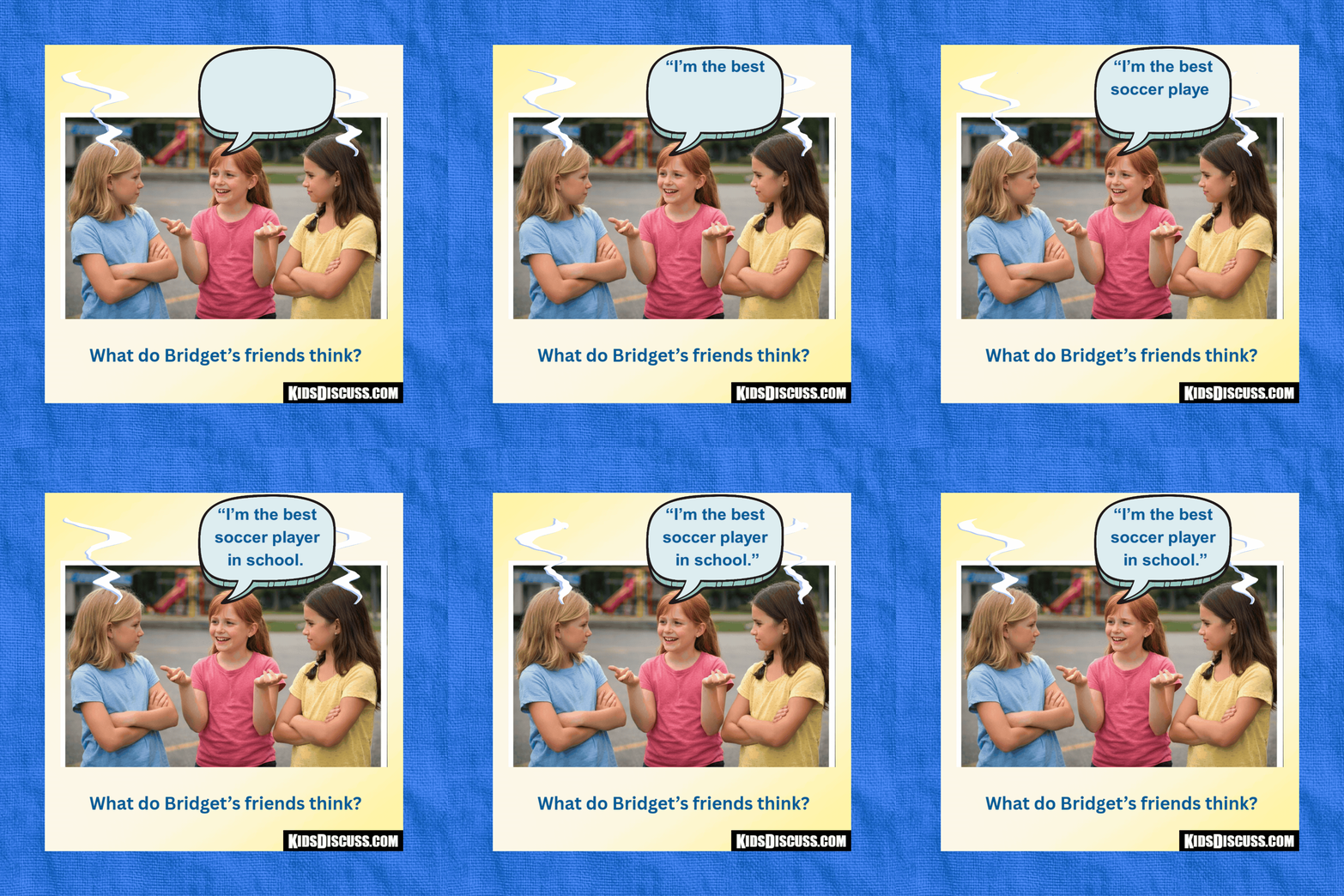
How Bragging Pushes Friends Away
Many children brag or exaggerate because they want attention or approval. But when it becomes a habit, it can hurt friendships. Kids may not realize that showing off can make others feel shut out or annoyed. With calm guidance, children can learn that honesty and kindness connect people better than bragging does.
Bridget’s Story and the Loud Radio
Did you hear?
Bridget said, tossing her red hair.
I’m the best soccer player in school.
You scored one goal,
Harper said.
And my party might have two ponies,
Bridget added.
Harper sighed.
Eliana, let’s go play tag with the kids.
Bridget’s heart sank as they walked away. Later, at home, Bridget said,
I’m much smarter than Harper and Eliana.
Bridget’s mom knew that wasn’t true. Her mother turned from the sink.
Bragging is like turning your radio up too loud. At first people notice, but soon they just want to get away from the noise.
Bridget went quiet.
Is that why I’m losing friends, she whispered?
Her mother nodded.
The next day Bridget found Harper and AEliana.
I’m sorry. I keep talking about myself. I’m going to stop bragging and listen more.
Harper smiled.
Want to play?
Bridget nodded.
Yes. What do you want to play?
Bragging Loses Connection
Bragging may get attention for a moment, but it often costs children something more important: connection. Kids need help seeing that friendship grows when they listen, speak honestly, and make room for others.
5 Simple Strategies for Parents
- Correct calmly. Say, “That sounded like bragging,” without shaming.
- Teach confidence vs. bragging. Confidence says, “I worked hard.” Bragging says, “I’m better than everyone.”
- Praise honesty. Notice when your child tells the truth or speaks modestly.
- Build empathy. Ask, “How do you think that made your friend feel?”
- Practice better phrases. Try: “I’m proud of that,” or “Want to tell me about yours?”
3 Questions to Ask a Child Who Brags
- “Did that really happen that way, or did you make it bigger?”
- “How do you think other kids feel when they hear that?”
- “Are you trying to share, or are you trying to impress?”
3 Family Activities
-
The radio lesson. Turn a radio up too loud and connect it to bragging.
-
Truth or stretch. Tell one true story and one exaggerated story; let family members guess.
-
Spotlight sharing. Each person shares one good thing about themselves and one good thing about someone else.
Summary – A Final Thought
Children who brag are often looking for reassurance. They do not need shame. They need guidance. When parents teach honesty, empathy, and humble confidence, children learn they do not have to sound bigger to be valued.
Look for Friendship Activities – Raising Happy Kids with Confidence and Character. It will go on sale in a few days. I’ll let you know.
Your free gift
To download the free gift for this article, submit the gift code: brag