Divorce: A Big Parenting Mistake and Its Solution
By Jean Tracy, MSS
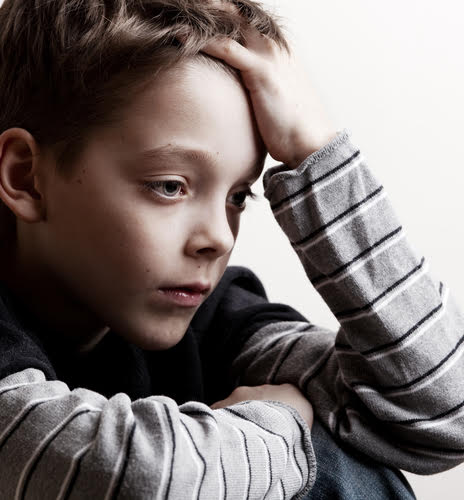
When you go through a divorce, you know the meaning of pain. You are truly suffering because divorce is a heartbreaking experience. Upsetting thoughts, a sense of disaster, and anguish can easily take over your mind.
Could your painful divorce be impacting your child? Are his grades slipping, his emotions out of control, or has he lost interest in friends? If so, keep reading to find out the 3-step solution you can use to help you and your child. We'll look at one of the worst mistakes you can make. Then we'll share the 3-step solution.
The Mistake: Bad-mouthing the Other Parent
Dealing with your former spouse on a regular basis can keep the uproar going. Here's why it's so important for you to manage your thoughts, feelings, and actions.
Many parents feel rage toward their ex. They dwell on the painful memories and current actions of their former spouses. Because of these thoughts and the feelings that go with them, they rage out loud. Their children hear parents' rants. They take those outbursts inside and feel sad, guilty, and angry. Why?
Kids Feel Sad about Their Parent's Anger
Children love both parents. They feel sad to hear bad things about the other parent. They know they are half of both parents. Hateful words are powerful triggers to make children doubt their own worth.
Kids Feel Guilty about Their Behavior
Kids feel guilty because they think they caused the divorce. If they had been better, maybe they could have kept their family together and this raging wouldn't have happened.
Kids Feel Angry at the Ranting Parent
Youngsters end up being angry at the outraged parent, if not now, then later. Even though they love both adults, they can still rebel against the bad-mouthing parent. They may even take the other parent's side.
The 3-Step Solution
If you are that parent, and don't want you or your child to suffer emotionally because of your outbursts, there are actions you can take. These actions will benefit you and your youngster.
The first is to visualize. The second is to visualize and act. The third is to visualize, act, and speak. Get ready by finding two rugged stones the size of a walnut. These stones represent your upsetting thoughts and feelings about your ex-partner.
- Hold a stone in each hand.
- Squeeze those stones as tightly as you can for 30 seconds.
- Open your hands. Drop the stones and tell yourself, "I'm dropping my anger. I am in control."
Conclusion for the Big Divorce Mistake and the 3-Step Solution
Ninety percent of children, whose parents are divorcing, experience some problems like, a decline in school performance, a loss of interest in friends and hobbies, sleep difficulties, and somatic complaints such as headaches, stomach aches and fatigue.
Because many children struggle with divorce, it's essential to provide them with coping strategies. This kindle book prepares them for the big changes that divorce brings -- living in two homes, a blended family, and dealing with loneliness, self-blame and anger.