Parenting - How Everyday Moments Teach Empathy
By Jean Tracy, MSS
Imagine your child watching a friend struggle to tie their shoe. Do they rush by, or do they pause and offer help? These small, daily moments are the seeds of empathy—one of the most important values we can nurture in our children. Empathy isn’t just a feeling; it’s a skill, built over time, through the gentle guidance of parents and caregivers.
Paul’s Story: The Day He Noticed
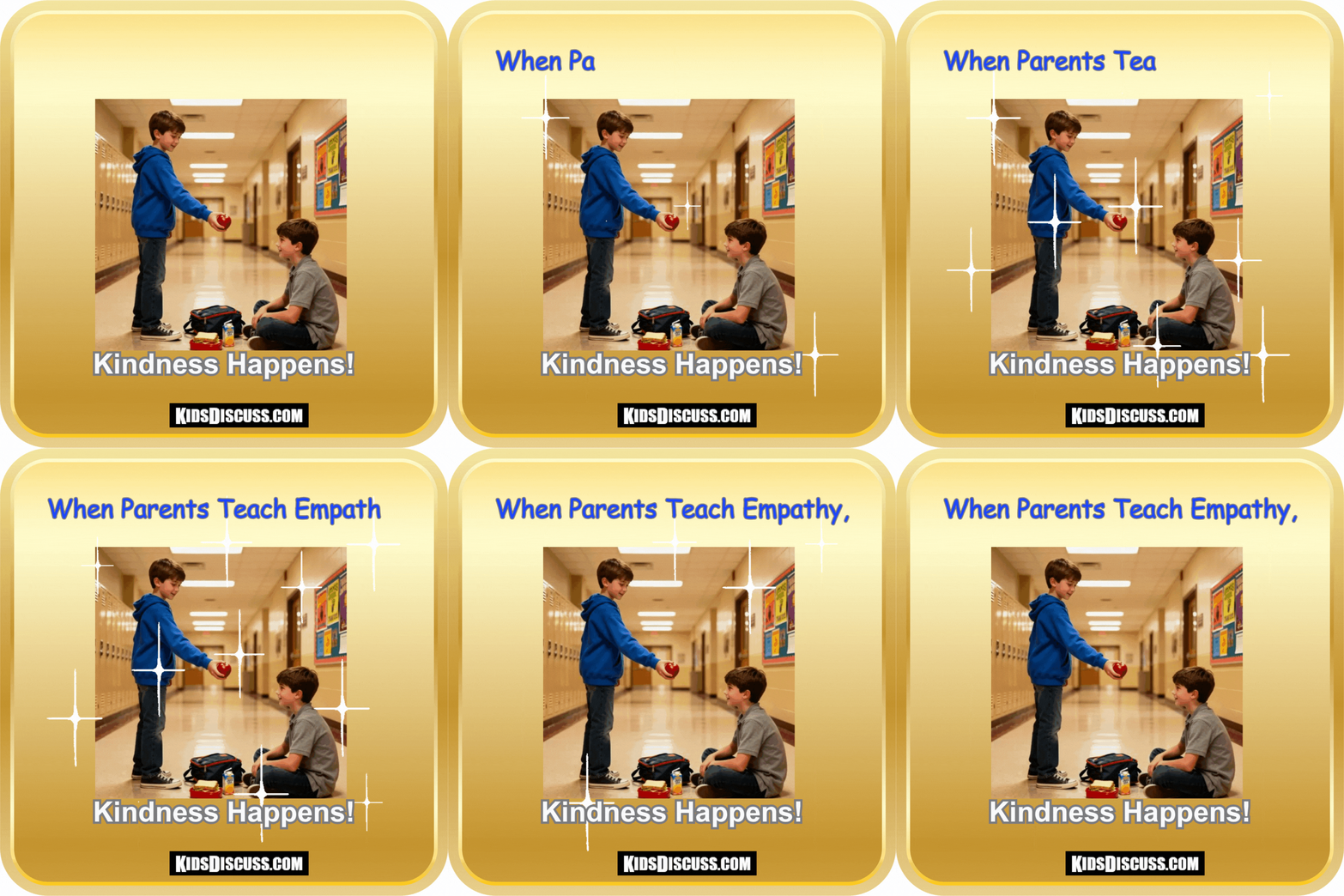
Paul stood in the busy hallway, backpack slung over one shoulder, watching as his classmates hurried past. Near the lockers, a boy named Eli dropped his lunch bag—apples rolling, sandwich landing face-down. Some kids laughed and kept walking. Paul hesitated, feeling a pinch of worry for Eli, who knelt to gather his things, cheeks flushed.
Paul remembered what his mom had told him:
When someone looks upset, try to imagine how you’d feel in their place. Then ask,
‘Do you want a hand?’
He knelt beside Eli, quietly helping pick up the runaway apples.
It happens to everyone,
Paul said. Eli looked up, surprised, then managed a small smile. The hallway felt a little less crowded—and a lot kinder.
Tip from Paul’s Mom: After school, Paul’s mom asked about his day. When he shared what happened, she said,
You did something simple but powerful: you noticed, you cared, and you acted. When we help, even in small ways, we show others they’re not alone.
Suggestion: Parents can role-play these moments at home, practicing what to say or do when someone needs help. This makes it easier for kids to act with empathy in real life.
3 Essential Truths About Empathy
- Your reactions shape your child’s heart. When you show patience with a slow cashier or comfort a neighbor, your child learns by watching you.
- Small acts matter most. A gentle word, a listening ear, or a shared snack can build bridges between children.
- Empathy grows from everyday practice. It isn’t taught in a single conversation—it’s modeled in dozens of daily choices.
5 Ways to Teach Empathy in Daily Life
-
Name feelings out loud: When your child is upset, help them identify their feelings—and ask,
How do you think your friend felt?
-
Model kindness: Let your child see you offering help, apologizing, or showing concern for others.
-
Read books about emotions: Stories are powerful tools for building empathy. Pause to discuss how characters feel and why.
-
Encourage perspective-taking: Ask questions like,
What would you do if you were in their shoes?
-
Celebrate caring acts: Notice and praise moments when your child shows empathy, no matter how small.
3 Truths About How Your Parental Love Teaches Empathy
-
Your love is a mirror. When you respond with compassion to your child’s mistakes, you show them how to treat others with kindness—even when it’s hard.
-
Your love is steady. Every time you listen to your child’s feelings, you teach them that emotions matter, and that everyone deserves to be heard.
-
Your love is a guide. By gently naming feelings—
You sound frustrated
—you help your child recognize emotions in themselves and others, building the roots of empathy.
Practice Empathy: 3 Role-Plays to Try at Home
-
Role-Play 1: Pretend your child sees a classmate sitting alone at lunch. Practice what they could say or do to invite that classmate to join in, even if it feels awkward at first.
-
Role-Play 2: Imagine a friend is upset after losing a game. Take turns comforting each other with words like,
I’m sorry you’re sad. Want to talk about it?
-
Role-Play 3: Act out a moment when someone makes a mistake in front of others (like dropping books or tripping). Practice offering help or a kind word instead of laughing.
Why Empathy Matters—Now More Than Ever
Empathetic kids are better friends, stronger problem-solvers, and more resilient in the face of conflict. They grow into adults who listen, care, and contribute to a kinder world. In a time when screens can distance us, real-life empathy connects us.
Tonight’s Conversation Starter
At dinner or bedtime, ask:
Who did you notice today that might have needed a friend?
Listen quietly. Then share a memory from your own childhood—when you felt left out or when someone’s kindness made a difference. These stories invite honesty and connection, and they remind your child: empathy is something we choose, every day.
Growing Empathy, One Day at a Time
This week, you learned how daily interactions offer endless chances to teach empathy. By naming feelings, modeling kindness, and celebrating caring acts, you help your child build a habit of compassion. Remember, every gentle word and listening moment shapes a more understanding heart.