How Parents Teach Children “Please”A small word with a kind voice
By Jean Tracy, MSS
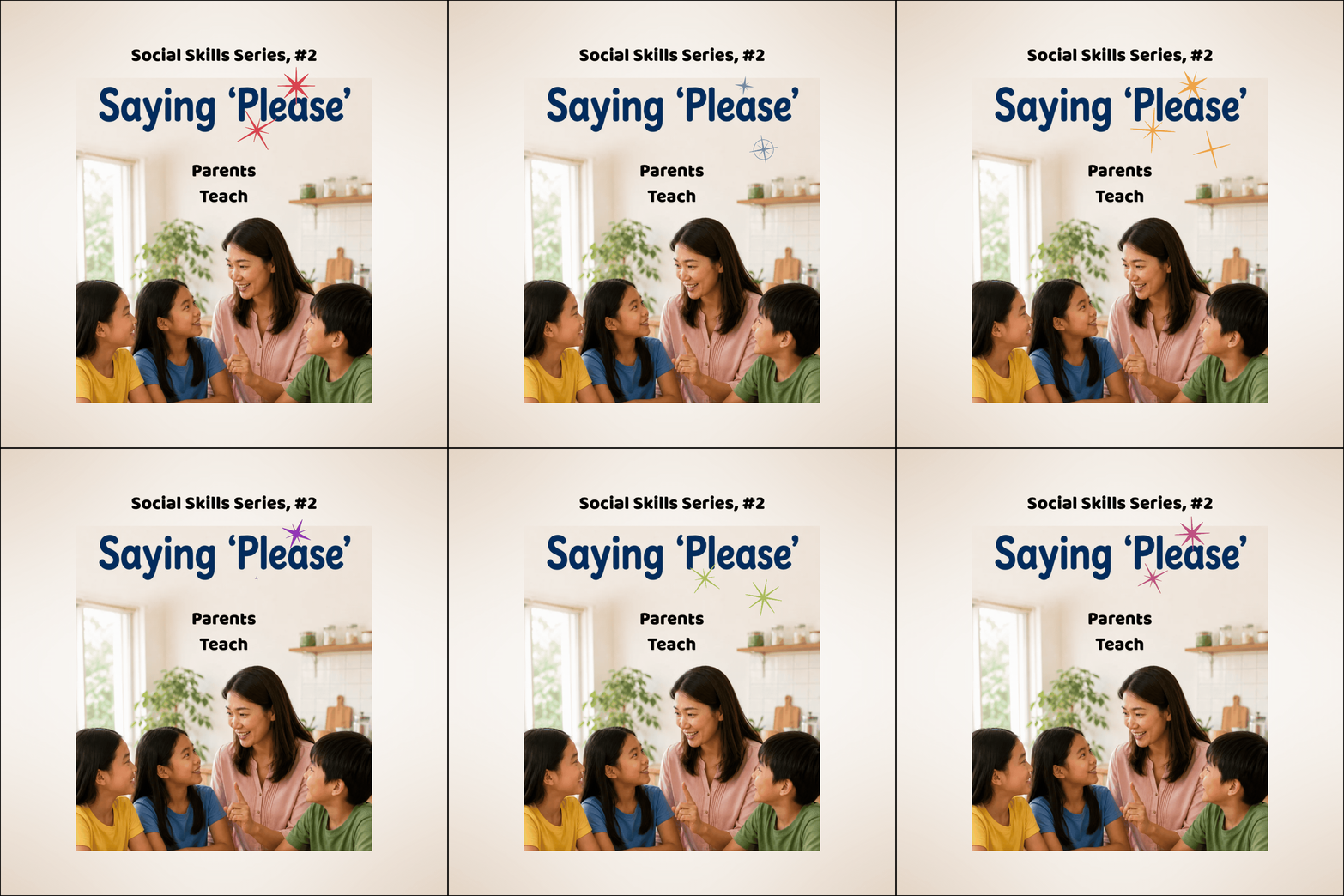
Please matters. Tone matters. Kind help can grow from both…
Children do not just need to learn the word “please.” They need to learn the voice that goes with it.
A calm
Can you help me, please?
sounds very different from begging, demanding, or whining. When children ask with clear words and a respectful tone, others are more likely to want to help. That is a powerful social skill.
Teach the Tone
Parents can make this simple with a quick game. Ask your child to say the same request three ways:
- Begging.
- Bossy.
- Calm and kind.
Then ask,
Which voice would make someone want to help?
This helps children hear the difference. They begin to understand that tone can invite kindness—or push it away.
You might say:
You asked with a clear, kind voice. That made it easy to help you.
Teach the Clear Ask
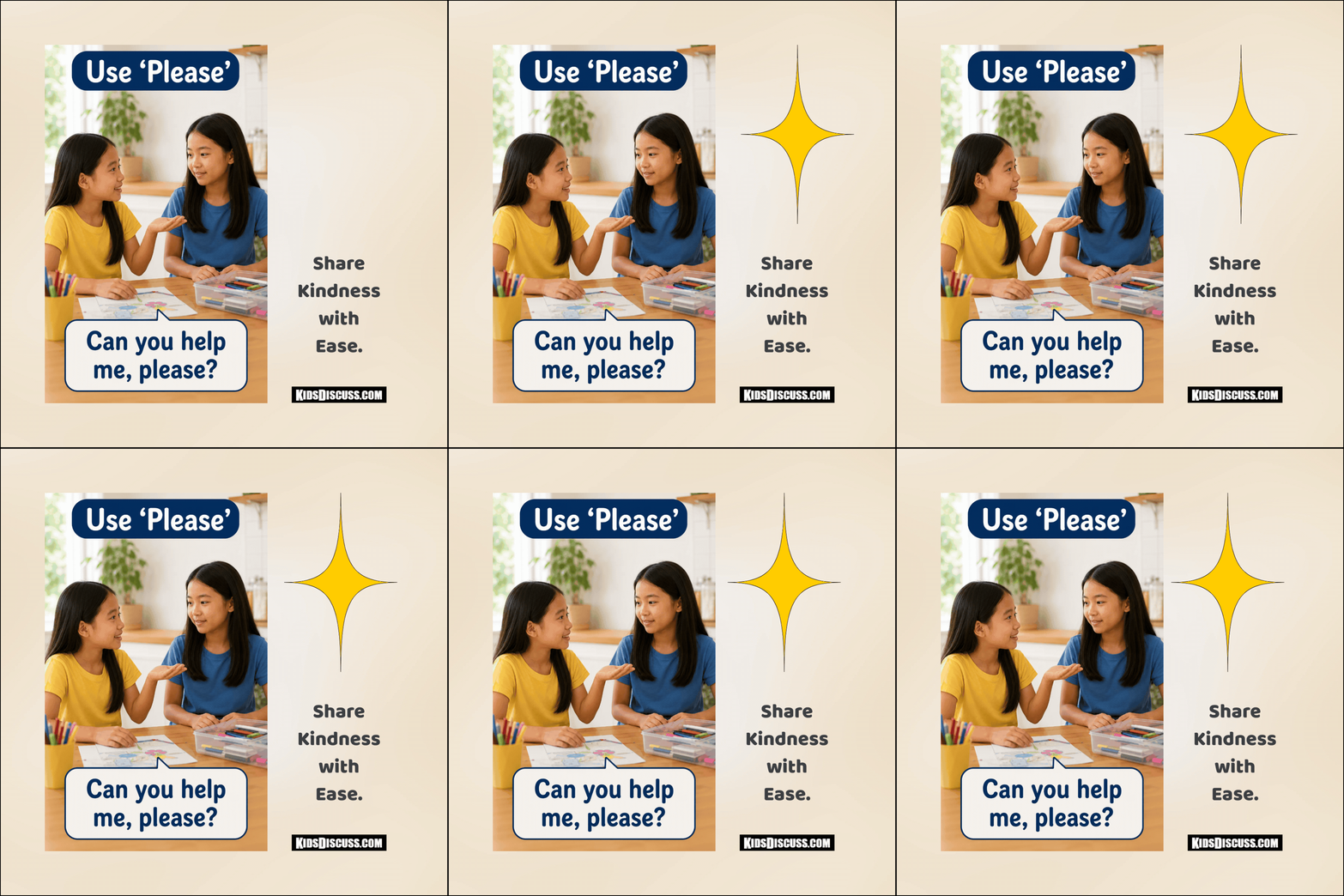
Children also need to know that asking for help is not shameful. A smart child asks for help. Needing help is how we learn.
Try this sentence starter:
Can you help me with ___, please?
It gives children the words to speak up without whining or feeling embarrassed.
Praise the courage:
You spoke up clearly. That was a smart way to ask.
Teach the Kind Answer
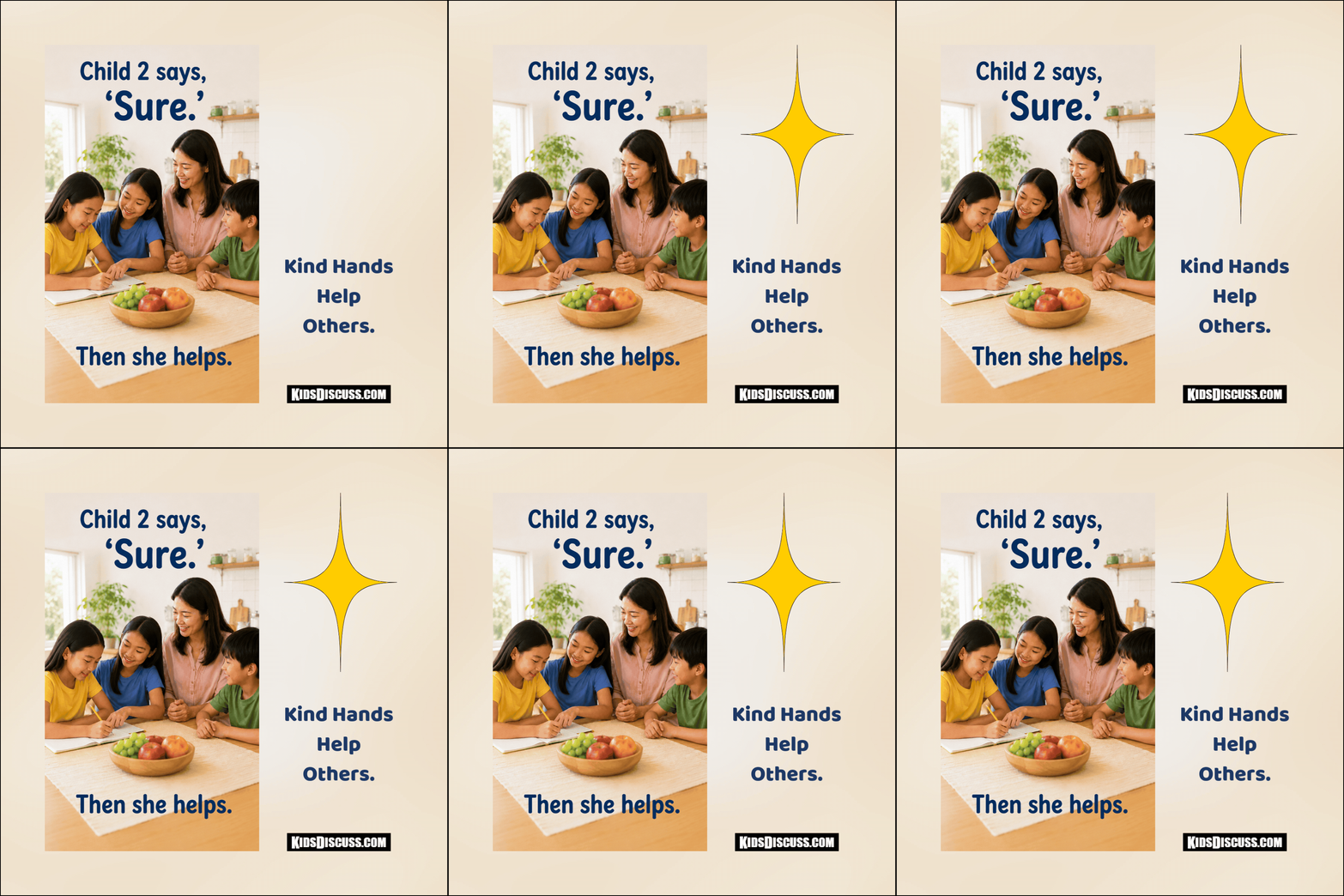
The helper needs practice too. When one child asks,
Can you help me, please?
the other can practice answering,
Sure, I can help.
That cheerful “sure” matters. It teaches children that helping can feel friendly, not forced.
Praise the helper:
You answered with kindness. That made helping feel good.
Help with Heart
After a child helps, ask:
What felt good about being useful?
This helps children notice the warm feeling that comes from helping, not just finishing the task. You might say:
You helped with a happy heart. That made a difference.
Parenting Question
How can your child ask kindly—and answer kindly—today?
A Warm Thought
A kind “please” invites help. A cheerful “sure” builds connection. And parents can teach both, one small moment at a time.
Your free gift
To download the free gift for this article, submit the gift code: please