How Play Creates Social Confidence and Friendship
By Jean Tracy, MSS
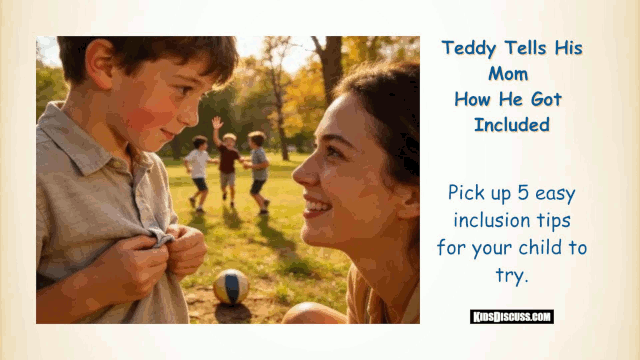
Have you ever watched your child on the playground, hovering at the edge of a group or inventing their own game in the sand? Sometimes, play is more than just fun—it's the starting line for building friendships and social confidence, especially for kids who find it hard to jump in.
Kids Making Friends Through Play: Teddy's Discovery
Teddy, usually quiet and shy, hovered at the edge of the tag game during recess. Instead of slipping away, he began gently rolling a ball back and forth near the runners, eyes full of hope. James noticed the steady roll, smiled, and asked,
Wanna play tag?
What started as a simple back-and-forth turned into bursts of laughter. By the end of recess, Teddy was laughing in the middle of a brand-new circle of friends.
He told his mom,
I was nervous, but I rolled the ball near the kids playing tag. James invited me in. Tomorrow I think I’ll ask, 'Can I join?'
3 Truths About Play and Social Confidence
- Play is the language of confidence. Even solitary play nearby allows kids to edge closer and build comfort, step by step.
- Your support changes the story. Encouraging play—even quiet, parallel play—can help hesitant kids join groups at their own pace.
- Every game is a lesson in inclusion. When you speak about teamwork, fairness, and making space for others, you lay the groundwork for lasting friendships.
Boost Social Skills: 5 Practical Ways
-
Set up low-pressure playdates. Invite just one or two peers and offer open-ended activities—legos, art, or simple games where rules can change and adapt.
-
Model playful language. At home, role-play introductions: “Can I join?” or “Want to build this together?”
-
Praise the brave attempts. Notice and celebrate when your child starts a game, shares a toy, or invites someone else in.
-
Encourage group games with flexible rules. Games like tag, hide- and-seek, or make-believe help children practice joining in and negotiating with others.
-
Read stories about inclusive play. Books like Motormouth Mattie’s Amazing Day offer opportunities to talk about how play builds friendships (find more stories and tools at KidsDiscuss.com).
Myth vs. Fact: Play and Friendship
Myth: Outgoing kids are the only ones who make friends easily.
Fact: Play gives every child, even the quiet ones, a bridge into social circles. Gentle encouragement can turn a solitary moment into connection.
Action Step for Parents: Tonight’s Conversation Starter
At dinner or bedtime, ask:
What was your favorite game today—and who did you play with?
If your child played alone, use it as a gentle opening:
What kind of game would you like others to join in?
Share your own memory of how play led you to a friendship.
Play Is More Than Fun—It’s a Social Superpower
This week, you discovered how everyday play sparks confidence and new friendships—even for kids who seem cautious on the playground. You learned five ways to make play a pathway for connection, and how your gentle encouragement shapes these moments. Every time you celebrate your child’s bravery, you plant seeds of friendship that can grow for years.
Your free gift
To download the free gift for this article, submit the gift code: JOIN